
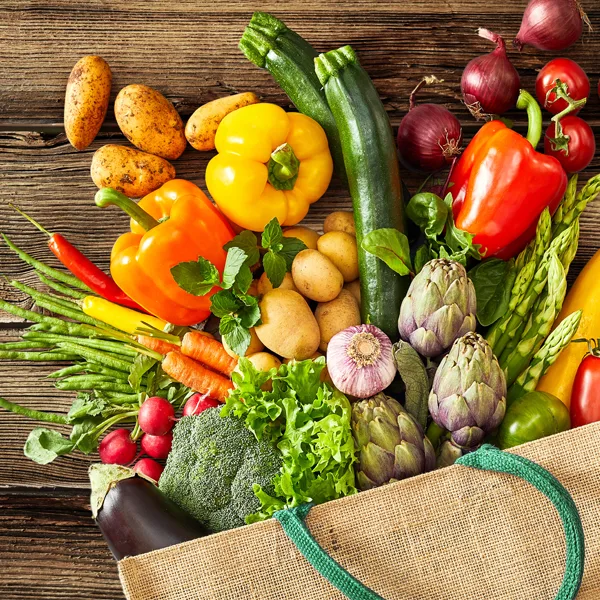
Fresh vegetables are essential to a healthy diet, providing vitamins, minerals, fibre, and other nutrients. However, keeping them fresh can be challenging, especially in Nigeria, where warm temperatures can accelerate spoilage when produce is stored incorrectly.
Learning how to store fresh vegetables properly helps reduce food waste, preserve quality, and ensure your family enjoys nutritious meals. Whether you shop at a local market or order fresh produce for your home, adopting the right storage practices can make a significant difference.
This vegetable storage guide provides practical tips to help you keep your vegetables fresh for longer.
1. Why Do Fresh Vegetables Spoil?
Fresh vegetables continue to undergo natural changes after harvesting. Exposure to heat, moisture loss, physical damage, and microbial growth can contribute to spoilage. Bacteria and mould may also develop when vegetables are stored in unsuitable conditions. Poor handling, contaminated surfaces, and improper storage can further increase the risk of foodborne illness.
Understanding these factors is the first step towards learning how to prevent vegetables from spoiling and reducing unnecessary food waste.
2. Should Vegetables Be Washed Before Storage?
It is generally best to wash vegetables shortly before use rather than before storage. Excess moisture left on produce can encourage mould growth and accelerate deterioration. If vegetables need washing before storage, use clean, safe running water and dry them thoroughly with a clean paper towel or cloth. Never use soap, detergent, or household disinfectants to wash vegetables. Always wash your hands before handling fresh produce, and keep vegetables separate from raw meat, poultry, and seafood.
3. Vegetables That Should Be Refrigerated
Some vegetables retain their quality better when refrigerated. Cooling slows deterioration and helps preserve freshness.
Examples of vegetables that should be refrigerated include:
- Leafy vegetables: Ugu, spinach, lettuce, and other leafy greens.
- Cabbage: Green and red cabbage.
- Broccoli: Refrigeration helps maintain its quality.
- Carrots: Refrigeration helps prevent moisture loss.
- Green beans: Keep them refrigerated to preserve freshness.
- Fresh peppers: Refrigeration helps maintain their quality, particularly when ripe or cut.
Store vegetables in clean containers or suitable produce bags that allow appropriate airflow. Avoid overcrowding the refrigerator. Where possible, maintain your refrigerator at or below 4°C, following established food-safety recommendations.
4. Vegetables That Can Remain at Room Temperature
Not every vegetable needs refrigeration immediately. Some are better stored in a cool, dry, well-ventilated place away from direct sunlight.
Examples include:
- Onions: Store in a dry, well-ventilated area.
- Unripe tomatoes: Keep them at room temperature until they ripen.
- Potatoes: Store in a cool, dark, dry, and ventilated location.
Avoid storing vegetables near cooking appliances or in direct sunlight. Heat can accelerate deterioration. Remember that storage requirements vary by vegetable. Cut, peeled, or damaged produce may require refrigeration to maintain food safety.
5. How to Store Leafy Vegetables
Leafy vegetables such as ugu, spinach, and lettuce can lose moisture quickly, causing them to wilt. Excess moisture and poor ventilation can also encourage deterioration.
Here is how to store leafy vegetables effectively:
1. Remove yellow, damaged, or decaying leaves.
2. Avoid washing the vegetables until you are ready to use them, unless cleaning is necessary.
3. If washed, dry them thoroughly before storage.
4. Place the leaves in a clean container or suitable produce bag.
5. Refrigerate them and avoid crushing them under heavy items.
6. Check regularly and remove leaves that begin to deteriorate.
For leafy vegetables commonly used in Nigerian cooking, proper refrigeration and careful handling can help preserve their quality.
6. How to Store Fresh Tomatoes and Peppers
Tomatoes and peppers are common ingredients in Nigerian kitchens, featuring in stews, soups, sauces, and everyday meals.
Tomatoes: Keep whole, unripe tomatoes at room temperature until they ripen. Protect them from direct sunlight and arrange them to prevent crushing. Once ripe, tomatoes can be refrigerated if you need to slow further ripening and deterioration.
Peppers: Store whole peppers in a clean, dry container or suitable produce bag in the refrigerator. Avoid washing them before storage unless necessary. If washed, dry them thoroughly.
For cut tomatoes and peppers, use clean, covered containers and refrigerate promptly. Discard produce showing signs of mould or significant decay.
7. How to Store Cabbage and Broccoli
Cabbage and broccoli generally benefit from refrigeration.
Cabbage: Store whole cabbage in the refrigerator, preferably in the vegetable compartment. Remove damaged outer leaves when necessary, and avoid cutting the cabbage until you need it. Once cut, place it in a clean, covered container and refrigerate it.
Broccoli: Refrigerate broccoli and handle it gently to prevent damage. Avoid leaving it in a warm environment for extended periods.
Check both vegetables regularly for unusual softness, mould, unpleasant odours, or other signs of deterioration.
8. How to Keep Vegetables Fresh Longer During Hot Weather in Nigeria
Nigeria's warm weather can make vegetable storage challenging, particularly in homes without reliable refrigeration.
Here are practical ways to keep vegetables fresh longer:
- Buy according to your needs: Purchase quantities you can use before the vegetables deteriorate.
- Avoid direct sunlight: Store produce in a shaded, well-ventilated area when appropriate.
- Prioritise refrigeration: Refrigerate leafy greens and cut vegetables promptly.
- Control excess moisture: Dry vegetables thoroughly if washed before storage.
- Separate damaged produce: Remove deteriorating vegetables to help protect the remaining produce.
- Plan your meals: Use more perishable vegetables first.
- Maintain cleanliness: Clean storage containers, refrigerators, and kitchen surfaces regularly.
If you do not have a refrigerator, purchase highly perishable vegetables in smaller quantities and use them promptly. Do not leave cut vegetables or other foods requiring refrigeration at room temperature for extended periods.
These practices are particularly useful when learning how to store vegetables in Nigeria, where temperature and access to refrigeration can vary between households.
9. Signs That a Vegetable Has Spoiled
Knowing when to discard vegetables is as important as knowing how to store them.
Look out for these warning signs:
- Visible mould or unusual growth.
- Unpleasant or unusual smells.
- Slimy surfaces, particularly on leafy vegetables.
- Extensive softening, leaking, or breakdown.
- Unusual discolouration accompanied by other signs of deterioration.
Some vegetables naturally change colour or texture as they mature. However, when produce shows clear signs of spoilage, do not taste it to determine whether it is safe. When in doubt, throw it out. Washing or removing visible mould does not necessarily make spoiled vegetables safe to eat.
10. Important Food-Safety Precautions
Proper vegetable storage should always be combined with safe food-handling practices. The World Health Organization (WHO) promotes five key principles for safer food:
1. Keep clean.
2. Separate raw and cooked foods.
3. Cook thoroughly.
4. Keep food at safe temperatures.
5. Use safe water and raw materials.
When handling fresh vegetables, wash your hands with soap and water before preparation. Clean knives, chopping boards, and work surfaces regularly. Keep vegetables away from raw animal products and use safe water when washing produce. Refrigerate cut or peeled vegetables promptly, and avoid leaving perishable foods at room temperature for prolonged periods. Following these precautions helps reduce contamination risks and supports safer food preparation at home.
11. Frequently Asked Questions
How can I keep vegetables fresh without a refrigerator?
Buy smaller quantities, protect vegetables from direct sunlight, and store suitable varieties in cool, dry, well-ventilated conditions. Use highly perishable vegetables promptly, as leafy greens and cut produce are harder to preserve safely without refrigeration.
Should I store all vegetables in the fridge?
No. Leafy vegetables, cabbage, broccoli, and carrots generally benefit from refrigeration. Onions and potatoes are usually better stored in suitable cool, dry, ventilated conditions.
How can I prevent vegetables from becoming slimy?
Excess moisture, poor airflow, and microbial growth can contribute to sliminess. Store vegetables in clean containers, dry them thoroughly if washed, and check them regularly for deterioration.
How long can fresh vegetables last?
There is no single storage duration that applies to every vegetable. Freshness depends on the vegetable type, its condition when purchased, temperature, humidity, handling, and storage method. Check produce regularly and follow appropriate storage recommendations.
12. Where to Order Fresh Vegetables
Keeping vegetables fresh starts with choosing good-quality produce and handling it properly from the moment you bring it home.
At Vizik Farm Market, we offer a selection of fresh agricultural products, including F1 habanero peppers, fresh cabbage, fresh strawberries, fresh tomatoes, organic bell peppers, fresh rosemary leaves, pomegranates, organic hibiscus, and organic lemongrass. Our available products may vary, and you can visit our website to discover more.
Visit www.vizikfarmmarket.com to explore our available products and learn more about Visit Farm Market. You can also contact us through our social media pages on Facebook, TikTok, and Instagram. For enquiries, orders, or product availability, WhatsApp or call 0906 991 6045.
Vizik Farm Market, where nature heals and food is our medicine.
No comments yet. Be the first to share a helpful thought or question.